Wednesday, March 4, 2015

What to Expect after Delivering your baby

What to expect after delivering your baby

Giving birth after the 9months journey is such a great relieve. But wait this is the beginning to motherhood. Your body has undergone a lot of changes in accommodating a baby, therefore you will experience some changes as the baby is no longer inside you. Here are some changes you will experience;
Bloody Discharge
You will have blood coming from your vagina for about 7 weeks. The first 10 days will come as heavy period n remaining weeks will come lighter. The discharge is red in colour then becomes brownish and then yellowish white

Friday, April 25, 2014


Today April 25 is World Malaria Day.
Malaria is a major cause of Maternal and Child deaths in Africa.

Pregnant women are particularly vulnerable to malaria as pregnancy reduces a woman’s immunity to malaria, making her more susceptible to malaria infection and increasing the risk of illness, severe anaemia and death.

The parasites of malaria may be present in the placenta and affect the unborn child. Maternal malaria increases the risk of spontaneous abortion, stillbirth, premature delivery and low birth weight - a leading cause of child mortality.

Newborn babies have weak immune system and our not able to fight malaria.

Defeating Malaria means:

1. Keeping your environment clean
2. Sleeping in Insecticide Treated Mosquito Net
3. Preventive treatment during pregnancy
4. Prompt diagnosis and effective treatment of malaria infections.


Wednesday, April 23, 2014

Autism Awareness Month

Autism is a lifelong developmental disability that affects how a person communicates with, and relates to, other people. It also affects how they make sense of the world around them. The cause of autism is not known it can be due to genetics. Do not blame yourself if your child has autism. If you child has this condition what he/she needs from you is LOVE and PATIENCE. Do not abandon them or send them begging on the streets. Show love and you will find out their capabilities.
Early detection of autism can help you take good care of your child and understand his/her behaviour.
Here are a few signs to look out for:

They may not speak. But they may use things like pictures or sign language to communicate


--They may not understand what other people say.

-- They may copy what other people say.

--They may only talk about their favourite subject.

--They may not take part in games or activities with other people.

--They may like to play the same game or do the same thing every day.
They may be very interested in one thing and know a lot about it.

--They may be good at remembering information.

--They may do well at school, college and work.

--They may find co-ordination difficult. This means that they may find it difficult to do things like use scissors, use knives and forks, or ride a bike.

Tuesday, January 28, 2014

Things to consider if you want to conceive

Do you want to hold your baby this year? Are you newlywed and cannot wait to get pregnant?

Things to consider if you want to conceive;

1. Are you of AGE? There is less risk if you are above 18 years.

Biologically one is matured after menstruating for 5 years. So if one starts menstruating at 10 years old she is biologically matured at age 15.  However it is not advisable for adolescent to get pregnant because their bodies are not fully developed and need more nutrients to do that. if an adolescent gets pregnant there is high nutrient need first for herself and the growing foetus. this high nutrient need may not be met and put the baby and adolescent mother at risk. Babies born to adolescent mothers mostly have low birth weight- they are below 3kg mainly because they did not receive the needed nutrients to grow well.
Adolescent mother may also not have enough strength to undergo normal delivery

2. Are you TOO OLD? Risks are high if you are above 35 years
High risk of giving birth to Down syndrome children. Cases of down syndrome babies have been mostly recorded to be of women above 35years old. As a woman gets older the number of viable eggs for conceiving reduces. It is advised women give birth before age 35


3. What is your WEIGHT? Being overweight and pregnant (BMI over29) put you at risk to maternal hypertension, diabetes and caesarean section (commonly known in Ghana as “operation”). If you are so thin (BMI under 20) during pregnancy can make you baby weigh less when born


4. Do you have high NUTRIENT STORES in body? When your diet is not nutritious, your baby will not grow well and baby's weight will be small.
Poor diet, food which is not nutritious, also affects a pregnant woman’s health. It leads to anaemia (commonly known in Ghana as "low blood") which can cause a woman to die during child birth.
NB: It is important to decide when you want to conceive so you prepare your body, mind, money for the journey of a life time.

Wednesday, July 10, 2013

First Trimester- Eating Good to Feel and Look Good

Pregnancy can be discomforting with a changing body, nausea, morning sickness and all. but the baby growing inside of you is an adorable little treasure so you must feel good to have a positive emotional, psychological impact on your baby.


Feeling good comes with dealing with the discomfort the right way to make you comfortable.
one way to do that is with what you eat, how you eat and when you eat. Morning sickness is mostly inevitable for the first 3 months  so brace yourself.

Tips to sail through the phase
Nausea can set in as early as before you get out of bed and it is severe on empty stomach. When your stomach is empty, its acids have nothing to digest and this can trigger nausea. Before going to sleep for the night, have a snack of protein and complex carbohydrates to help you through the night and early morning.Boiled/roasted corn with roasted groundnut is not a bad choice. Whole wheat bread and groundnut paste(peanut butter) is also ideal.
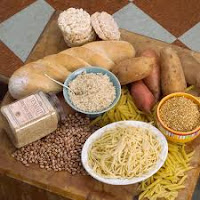
Complex carbohydrate takes a while to break down so your stomach won't be empty. Proteins have high Vitamin B6 which is believed to relieve nausea in some women[1]

Example of complex carbohydrate foods:

Grains- Millet, Oats, Wheat, wild rice, brown rice, Corn. Any product that is made from these grains is also complex as well- Whole grain bread, banku, kenkey, Hausa koko, cornmeal porridge etc. are examples of these. These foods are quit heavy and must not be eaten late at night. Also pasta, macaroni and breakfast cereals  that are made from whole grains are complex carbohydrates.
Kenkey- made from Corn
Fruits are high in water content, fiber, vitamins and they have virtually no fat at all. Fruits packed with complex carbohydrates include apricots, oranges, plums, pears, grapefruits and prunes.
Vegetables are high in water, low in fat, have multiple vitamins and minerals, and most varieties are complex carbohydrates. Broccoli, cauliflower, spinach, turnip greens, eggplant, potatoes, carrots, onions, all types of lettuce, celery, cucumbers, cabbage, artichokes and asparagus are all examples of these.
Legumes: Beans are a type of legume that is a complex carbohydrate. Specific examples include lentils, kidney beans, black beans, peas, garbanzo beans, soy beans and pinto beans.

Better still keep whole-wheat biscuit or dry cereals by your bedside and eat before getting out of bed to avoid empty stomach in the morning.

Friday, June 21, 2013

Preeclampsia - Gestational Hypertension (Nutrition Treatment/Management)

Google+

Preeclampsia is a condition that occurs only during pregnancy. It occurs when a pregnant woman after week 20 of pregnancy has both high blood pressure and protein in the urine. Preeclampsia affects about 2-6% of healthy, first time moms.
<<<Symptoms>>>
High blood pressure, water retention: swelling feet and excessive edema and protein in the urine. Headaches, blurred vision, inability to tolerate bright light, fatigue,
nausea/vomiting, urinating small amounts, pain in the upper right abdomen, shortness of breath, and tendency to bruise easily.
If you have these symptoms talk to your Doctor as soon as possible.
<<<Causes>>>
Poor diet both BEFORE and DURING pregnancy can increase the risk of preeclampsia. According to the Preeclampsia Foundation, poor nutrition includes not eating enough protein, eating too much protein, and not getting enough of the antioxidants found in fresh fruits and vegetables.
 

<<<Nutrition Treatment>>>
Preeclampia can be treated with Proper Nutrition. The presence of Protein in urine shows that you are protein deficient resulting in the tissues of the body metabolizing themselves to provide for your protein needs, specifically kidney tissue. Some of the protein that is broken down is excreted into the urine, which is why there will be protein in the urine. Blood pressure and edema (swelling) are due to poor mineral balance, specifically calcium/magnesium imbalance.

Eating foods rich in Protein: Meat, Fish, Milk, Egg, Cheese, Beans etc. and foods rich in both Calcium and Magnesium: Sardine,Tuna, Milk, Yoghurt, Dark Green Leafy vegetables (Kontomire, Spinach, Turnip greens, Broccoli, etc) will help manage and prevent complications from Preeclampsia.

Tuesday, June 11, 2013

Nutritious Food to boost Nutritional status before, during and after Pregnancy


"Red Red" one of the many names of Beans and Fried Plantain in Ghana is very nutritious.

Beans contain protein which is needed for body building important for pregnant women because the amino acids that make up protein are the building blocks of your body's cells – and of your baby's body as well. It's important to get enough protein throughout your pregnancy, but especially during the second and third trimesters, when your baby is growing the fastest and your breasts and organs are getting bigger to accommodate the needs of your growing baby.

Don't forget to take an orange afterwards it contains Vitamin C which helps absorb iron in the beans. Iron is important for Blood formation and prevent Anaemia. In pregnancy iron is needed for expansion of Red Blood Cell mass, fetal iron, Placenta iron and to replace Blood loss during delivery.


These are some nutrient not all component and their estimated amounts:
Cooked beans (per 1 cup size) - Calories: 331, Fat: 14.9g, Carbohydrate: 36.94, Protein: 14.05g, Iron: 2.3mg

Fried Plantain (per 1 slice) - Calories: 68, Fat: 3.58g, Carbohydrate: 9.74g, Protein: 0.4g

Cooked Fish (per 28g) - Calories: 36, Fat: 1g, Cholesterol: 16mg, Carbohydrate: 0g, Protein: 7g

Wednesday, May 8, 2013

How to Get your Child to Eat Nutritiously

Tips to get you Child to Eat Nutritiously

After 6 months Breast milk alone cannot be enough for a baby's nutritional needs. Children below  5 years should be regularly feed to prevent malnutrition. But you can testify that it is not easy to make a child eat.
The issue is they don't want to eat and most often the problem is they prefer eating non nutritious sugary stuffs like toffee,  sugary drinks etc. which doesn't help their growth. The stomach size of children is small if they are allow to eat these things it gets full and the child is satisfied but no beneficial nutrient is gained.

The last thing to do is beat your child or force the child to eat. if you do so you cause the child to overeat leading to obesity, you also make the child cry and cause emotional pains and

1. The best thing to do is to stop the child from eating the sugary, non Nutritious, unhealthy foods. So s/he doesn't fill the stomach with junk food

2. Have a lot of patience, do your best to pamper the child to eat good food. Don't leave them to eat what they want . Also don't get angry and deprive them food.

3. Give the child rewards for eating nutritious foods. Do not reward them with non Nutritious foods. Parents make this mistake by giving sweets to children as a reward or when when a child is crying.

4. When dealing with a much older child tell the child the truth. Let them know the sweets they want is not Nutritious and won't let them grow well, it is not good for their health and can make them sick.


5. Make eating time a Funtime. Make food into creative things to attract child


6. You can use a favourite bowl and cutlery. Most children will love to eat in a decorated bowl, or a bowl shaped into something the child likes eg. a fish shaped bowl, etc.

7. Children are fond of colours. Make their food colourful add vegetables like carrots, fruits like apple, mango


>>>.....All the best in feeding you child Nutritiously......<<<

Friday, March 8, 2013

International Women's Day- Stand up Against Maternal Mortality

Today is World's Women's Day!!!
What are we doing for ourselves as women?


Lots of women lose their lives in pregnancy and child birth mainly due to anaemia (low haemoglobin in blood). Policies are not in place in most developing countries to reduce this .


But women can stand up and do something very basic to help. Take your life into your own hands start eating nutritious foods early in life DO NOT wait till you are pregnant and do same for your daughters. 
Anaemia in women starts from adolescence when menstruation starts and our diet is not improved with blood forming nutrients to replenish the blood loss.


Some of these foods are: Dark green leafy vegetables - kontomire, ademeh, spinach; meat, liver, kidney beans, soybeans, milk, cheese.


Kontomire stew-Ghanaian dish, meat, Kidney beans, orange juice, vegetables, kontomire leaves


PlanPregnancy-" Eating Nutritiously for safe Motherhood"

Monday, February 25, 2013

How to reduce Stretch Marks during pregnancy

Stretch Marks comes with pregnancy. The muscles of the stomach stretch to accommodate the enlarging womb. Stretch marks do not disappear own its own after pregnancy.
But no need to worry young lady that your beautiful tummy will be scared after pregnancy
<<<<Tip>>>>
When pregnant apply cocoa butter cream to your tummy always.

This will help reduce the appearance of stretch marks by making it fade and blending with skin. Cocoa butter lotion may not work to reduce the appearance of stretch marks for everyone, but its nourishing properties can relieve irritation that is caused by stretching of the skin.


 When skin stretch it loses its elastin and collagen fibers resulting in the mark. Some hormones are also responsible for the lose of elastin and collagen.

Monday, February 4, 2013

Losing Weight after Pregnancy


If you are considering getting pregnant but worried about weight issues......... Don't be.... Your tools are;
1. Eating nutritious healthy variety of foods
2. Enjoying an active lifestyle
3. Being patient to lose the extra weight slowly..........


Weight gain during pregnancy is normal but the good thing is you can get your desired shape back after delivery. Pregnancy should not change your body forever. Getting back to how much you weighed before pregnancy is important for your health. The longer  that extra weight is on, the greater the risk for not losing it and becoming overweight or obese.
Diet's an essential part of losing weight after a baby just as it is in pregnancy. Restrictive dieting can deprive your body of nutrients you need and can leave you feeling tired and stressed.

Here are a few tips:
>>Eat breakfast
Losing weight is not skipping meals, skipping breakfast makes the body hungry and increase the likelihood of overeating. Starving the body for long hours can cause the body to change its insulin response, causing you to gain weight and hold onto fat. Depriving yourself of necessary daily calories puts you in physical "starvation mode." Your body will think that there isn't enough food available and that you're starving. When you go off your diet, your body will store even more fat in reserve against future lean periods. You'll also be more likely to overeat during this period.
>>>Include fruits and vegetables in your diet (orange,apple, etc)
 They supply vitamins and minerals necessary for optimal bodily functioning warding off conditions and diseases such as high blood pressure, stroke, heart disease, diverticulitis and some cancers.They help you lose weight because they are low in calories, high in volume and high in critically important nutrients. That is they fill you up, providing you with important minerals and vitamins, without loading you up with fat and calories.

>>>>Your choice of carbohydrate should include fiber rich foods such as oats, grains(corn, rice etc or foods made with it- banku, kenkey) 
 Eating healthy high-fiber foods makes you feel full, so you can resist eating more food than you need. Fibrous foods also can take longer to chew, giving your brain time to get the signal that you have had enough to eat.
>>>>> Reduce intake of fried foods, takeaways which are high in fat and confectionery, cakes, fizzy drinks which are high in sugar.

Losing weight is cutting off calories and you don't want to increase your caloric intake. Fatty and sugary foods are high in calories and must be reduced to reduce your caloric intake.
>>>>>>Do not overeat, eat smaller portions and reduce number of snacks you take in between meals. Go for healthy snacks eg. apple instead of biscuits
 >>>>>>>Drink plenty of water and stay active not strenuous exercises but regular physical activities. Taking a walk with your baby regularly will do.

Thursday, January 17, 2013

Increase Energy and Nutrient Needs in Pregnancy


Body changes are what some young ladies are afraid of when they think of pregnancy. These changes cannot be done away with. The body changes to accommodate the growing baby in the womb and stores food for baby. Weight gain is normal because the baby is an additional weight (about 3kg), breast size also increases as milk formation begins. You tend to have a large appetite and craving for food, eating more result in increase in weight.     Weight gain of between 8kg-20kg is mostly observed.

Pregnancy is not a time for losing weight (however gaining too much weight is not healthy) because your nutrient and energy needs increase.
 Energy (Carbohydrate and Fat) needs increase by an extra 300calories(1 slice of whole wheat bread spread with 2 tablespoons groundnut paste). Pregnant woman needs about 2500calories per day. Approximately 10 per cent of calories should come from protein. Protein is mainly found in meat, fish, eggs, dairy products and beans. Approximately 35 per cent of calories should come from fat, which is mainly found in butter, oils, margarine, dairy products and nuts. Approximately 55 per cent of calories should come from carbohydrates, which are found in bread, pasta, potatoes, rice, corn and other grain products
 
Protein needs increase by an extra 25grams (140grams of skinless chicken breast). Pregnant woman needs about 70grams of protein per day.

Vitamin and Minerals needs also increase:
Folate increase by extra 200microgram, 600micrograms per day(food sources; dark green vegetables,orange juice).

Iron needs increase by an extra 11milligrams, 27milligrams per day(food sources; meat, poultry, organ meat,dark green vegetables). It is impossible to meet iron needs from diet, supplements are added

Calcium needs 1000milligram per day, same as non-pregnant women(food sources; milk, cheese, yoghurt etc)

Zinc needs increase by extra 3milligrams, 12milligrams per day(food sources; seafood, meat and poultry, dairy foods etc)


Be emotionally and psychologically prepared for weight gain during pregnancy but eating healthy is important to avoid unhealthy weight gain

Wednesday, January 9, 2013

Breast Milk - The Safe Food for Babies


Most young moms find it difficult breastfeeding. Once pregnant one may want to breastfeed but after a while stops. Some of the complains are "its tiring", "Don't want breast to sag" etc. Please make a commitment to breastfeed with all its discomfort.

Breast milk is the only SAFE food for a baby because the gut at birth is immature and breast milk contains functional nutrients that help provide the micro-environment for gut protection and maturation. Because of immature intestinal immune function, the newborn infant is susceptible to intestinal and systemic infections. 

 Formula feed may be adjusted to be like breast milk but it would not have the natural protective nutrients in breast milk. Formula feed can also get contaminated from the water, cups, spoons, feeding bottles used in preparation and expose the baby to infections this leads to most DIARRHEA observed in infants. BUT Breast milk needs no preparation and hence exposes baby to less infections PLUS it has protective 
 nutrients. 

Breast milk production can be influenced by mother's nutritional status. Eating sufficient calories and getting an abundant supply of nutrients is helpful  for lactation. A rich supply of minerals and a good balance of fats ensure that the mother’s cells and nerves are functioning at an optimal level.
Vegetables like carrot, beet are full of beta-carotene(pro vitamin A) which are needed in extra amounts during lactation because it  is essential for growth and differentiation of a number of cells and tissues.


Vegetables for minerals,vitamins, enzymes and phytoestrogen 

Dark green leafy vegetables like 'kontomire', spinach, kale are a 
potent source of minerals, vitamins and enzymes, as well 
as phytoestrogen that support lactation.

Oats, millet, barley and rice are most commonly know grains known 
to increase milk supply.

 Fats play a vital role in cellular and neural metabolism. Studies 
have shown that the kinds of fats a mother eats will influence 
the composition of fats in her milk. Essential fatty acids are most 
healthy fats needed by brain for its formation and development.


sources of essential fatty acid


 Some of the food sources of ω-3 and ω-6 fatty acids are fish 
         and shellfish, flax seed (linseed), hemp oil, soya oil, 
         canola (rapeseed). 

Unhealthy fats like partially hydrogenated 

         vegetable oils and trans fatty acids should be eliminated from diet,    to avoid entering milk.


Breastfed babies have better immune  protection, less diarrhea, grow stronger and healthier. Breastfeeding also creates a bond between mother and child.
 I bet these benefits for baby will make  you more committed to breastfeed when the baby comes...........!!!


References

Walker A.J.(2009). Breast milk as the gold standard for protective nutrients.Pediatr. 2010 Feb;156(2 Suppl):S3-7. doi: 10.1016/j.jpeds..11.021

Strobel M., Tinz J., Biesalski H.K.(2007). The importance of beta-carotene as a source of vitamin A with special regard to pregnant and breastfeeding women. Eur J Nutr. 46 Suppl 1:I1-20.
.


Tuesday, December 18, 2012

Eating Nutritiously for Safe Motherhood

Have you ever wondered what is used in development of a foetus or makes a foetus grow in the womb? The foetus require nutrients from the mother store of nutrients and it obtains its nutrient from the mothers daily nutrient intake. So imagine what happens to a foetus when the mother has inadequate nutrient stores?

Research has shown that cell division and tissue formation foetus occurs quickly even before pregnancy is detected. this means that if you are waiting to know you are pregnant before you eat well or take supplements it might be too late for you and the baby. The foetus might not have essential nutrients like Folic Acid (Folate) for cell division and tissue formation resulting in defects like neural tube defects, spinal bifida, lip and palate clefts. If the mother happen to have inadequate Calcium stores, which is needed for fetal skeletal development, the baby will draw calcium from the mother's bones which can result in the mother having osteoporosis (brittle bones)

Folates can be obtained from foods such as dark green leafy vegetables like spinach, broccoli, asparagusi, 'kontomire"(cocoyam leaves common in West Africa), dried beans and peas; okra, and orange juice, fortified foods with folic acid. Folic acid  can be with advice from physician.

Calcium food sources are    milk and dairy products, salmon, dried beans, green leafy vegetables such as broccoli, kale, spinach and collards, almonds, sunflower seed.Calcium supplements are also available.

Folic Acid source