Provide Preconception and conception nutrition information. Blog author is a qualified Nutritionist.
Labels
- After Pregnancy (3)
- Before Pregnancy (3)
- Breast Feeding (1)
- Child Nutrition (1)
- During Pregnancy (6)
- International Women's Day (1)
- World Malaria Day 2014 (1)
Friday, April 25, 2014
Today April 25 is World Malaria Day.
Malaria is a major cause of Maternal and Child deaths in Africa.
Pregnant women are particularly vulnerable to malaria as pregnancy reduces a woman’s immunity to malaria, making her more susceptible to malaria infection and increasing the risk of illness, severe anaemia and death.
The parasites of malaria may be present in the placenta and affect the unborn child. Maternal malaria increases the risk of spontaneous abortion, stillbirth, premature delivery and low birth weight - a leading cause of child mortality.
Newborn babies have weak immune system and our not able to fight malaria.
Defeating Malaria means:
1. Keeping your environment clean
2. Sleeping in Insecticide Treated Mosquito Net
3. Preventive treatment during pregnancy
4. Prompt diagnosis and effective treatment of malaria infections.
Wednesday, April 23, 2014
Autism Awareness Month
Autism is a lifelong developmental disability
that affects how a person communicates with, and relates to, other
people. It also affects how they make sense of the world around them.
The cause of autism is not known it can be due to genetics.
Do not blame yourself if your child has autism. If you child has this
condition what he/she needs from you is LOVE and PATIENCE. Do not
abandon them or send them begging on the streets. Show love and you will
find out their capabilities.
Early detection of autism can help you take good care of your child and understand his/her behaviour.
Here are a few signs to look out for:
They may not speak. But they may use things like pictures or sign language to communicate
--They may not understand what other people say.
-- They may copy what other people say.
--They may only talk about their favourite subject.
--They may not take part in games or activities with other people.
--They may like to play the same game or do the same thing every day.
They may be very interested in one thing and know a lot about it.
--They may be good at remembering information.
--They may do well at school, college and work.
--They may find co-ordination difficult. This means that they may find it difficult to do things like use scissors, use knives and forks, or ride a bike.
Early detection of autism can help you take good care of your child and understand his/her behaviour.
Here are a few signs to look out for:
They may not speak. But they may use things like pictures or sign language to communicate
--They may not understand what other people say.
-- They may copy what other people say.
--They may only talk about their favourite subject.
--They may not take part in games or activities with other people.
--They may like to play the same game or do the same thing every day.
They may be very interested in one thing and know a lot about it.
--They may be good at remembering information.
--They may do well at school, college and work.
--They may find co-ordination difficult. This means that they may find it difficult to do things like use scissors, use knives and forks, or ride a bike.
Tuesday, January 28, 2014
Things to consider if you want to conceive
Do you want to hold your baby this year? Are you newlywed and cannot wait to get pregnant?
Things to consider if you want to conceive;
1. Are you of AGE? There is less risk if you are above 18 years.
Biologically one is matured after menstruating for 5 years. So if one starts menstruating at 10 years old she is biologically matured at age 15. However it is not advisable for adolescent to get pregnant because their bodies are not fully developed and need more nutrients to do that. if an adolescent gets pregnant there is high nutrient need first for herself and the growing foetus. this high nutrient need may not be met and put the baby and adolescent mother at risk. Babies born to adolescent mothers mostly have low birth weight- they are below 3kg mainly because they did not receive the needed nutrients to grow well.
Adolescent mother may also not have enough strength to undergo normal delivery
2. Are you TOO OLD? Risks are high if you are above 35 years
High risk of giving birth to Down syndrome children. Cases of down syndrome babies have been mostly recorded to be of women above 35years old. As a woman gets older the number of viable eggs for conceiving reduces. It is advised women give birth before age 35
3. What is your WEIGHT? Being overweight and pregnant (BMI over29) put you at risk to maternal hypertension, diabetes and caesarean section (commonly known in Ghana as “operation”). If you are so thin (BMI under 20) during pregnancy can make you baby weigh less when born
4. Do you have high NUTRIENT STORES in body? When your diet is not nutritious, your baby will not grow well and baby's weight will be small.
Poor diet, food which is not nutritious, also affects a pregnant woman’s health. It leads to anaemia (commonly known in Ghana as "low blood") which can cause a woman to die during child birth.
NB: It is important to decide when you want to conceive so you prepare your body, mind, money for the journey of a life time.
Things to consider if you want to conceive;
1. Are you of AGE? There is less risk if you are above 18 years.
Biologically one is matured after menstruating for 5 years. So if one starts menstruating at 10 years old she is biologically matured at age 15. However it is not advisable for adolescent to get pregnant because their bodies are not fully developed and need more nutrients to do that. if an adolescent gets pregnant there is high nutrient need first for herself and the growing foetus. this high nutrient need may not be met and put the baby and adolescent mother at risk. Babies born to adolescent mothers mostly have low birth weight- they are below 3kg mainly because they did not receive the needed nutrients to grow well.
Adolescent mother may also not have enough strength to undergo normal delivery
2. Are you TOO OLD? Risks are high if you are above 35 years
High risk of giving birth to Down syndrome children. Cases of down syndrome babies have been mostly recorded to be of women above 35years old. As a woman gets older the number of viable eggs for conceiving reduces. It is advised women give birth before age 35
3. What is your WEIGHT? Being overweight and pregnant (BMI over29) put you at risk to maternal hypertension, diabetes and caesarean section (commonly known in Ghana as “operation”). If you are so thin (BMI under 20) during pregnancy can make you baby weigh less when born
4. Do you have high NUTRIENT STORES in body? When your diet is not nutritious, your baby will not grow well and baby's weight will be small.
Poor diet, food which is not nutritious, also affects a pregnant woman’s health. It leads to anaemia (commonly known in Ghana as "low blood") which can cause a woman to die during child birth.
NB: It is important to decide when you want to conceive so you prepare your body, mind, money for the journey of a life time.
Wednesday, July 10, 2013
First Trimester- Eating Good to Feel and Look Good
Pregnancy can be discomforting with a changing body, nausea, morning sickness and all. but the baby growing inside of you is an adorable little treasure so you must feel good to have a positive emotional, psychological impact on your baby.
Feeling good comes with dealing with the discomfort the right way to make you comfortable.
one way to do that is with what you eat, how you eat and when you eat. Morning sickness is mostly inevitable for the first 3 months so brace yourself.
Tips to sail through the phase
Nausea can set in as early as before you get out of bed and it is severe on empty stomach. When your stomach is empty, its acids have nothing to digest and this can trigger nausea. Before going to sleep for the night, have a snack of protein and complex carbohydrates to help you through the night and early morning.Boiled/roasted corn with roasted groundnut is not a bad choice. Whole wheat bread and groundnut paste(peanut butter) is also ideal.
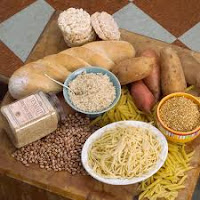
Complex carbohydrate takes a while to break down so your stomach won't be empty. Proteins have high Vitamin B6 which is believed to relieve nausea in some women[1]
Example of complex carbohydrate foods:
Grains- Millet, Oats, Wheat, wild rice, brown rice, Corn. Any product that is made from these grains is also complex as well- Whole grain bread, banku, kenkey, Hausa koko, cornmeal porridge etc. are examples of these. These foods are quit heavy and must not be eaten late at night. Also pasta, macaroni and breakfast cereals that are made from whole grains are complex carbohydrates.
Fruits are high in water content, fiber, vitamins and they have
virtually no fat at all. Fruits packed with complex carbohydrates
include apricots, oranges, plums, pears, grapefruits and prunes.
Better still keep whole-wheat biscuit or dry cereals by your bedside and eat before getting out of bed to avoid empty stomach in the morning.
Feeling good comes with dealing with the discomfort the right way to make you comfortable.
one way to do that is with what you eat, how you eat and when you eat. Morning sickness is mostly inevitable for the first 3 months so brace yourself.
Tips to sail through the phase
Nausea can set in as early as before you get out of bed and it is severe on empty stomach. When your stomach is empty, its acids have nothing to digest and this can trigger nausea. Before going to sleep for the night, have a snack of protein and complex carbohydrates to help you through the night and early morning.Boiled/roasted corn with roasted groundnut is not a bad choice. Whole wheat bread and groundnut paste(peanut butter) is also ideal.
Complex carbohydrate takes a while to break down so your stomach won't be empty. Proteins have high Vitamin B6 which is believed to relieve nausea in some women[1]Example of complex carbohydrate foods:
Grains- Millet, Oats, Wheat, wild rice, brown rice, Corn. Any product that is made from these grains is also complex as well- Whole grain bread, banku, kenkey, Hausa koko, cornmeal porridge etc. are examples of these. These foods are quit heavy and must not be eaten late at night. Also pasta, macaroni and breakfast cereals that are made from whole grains are complex carbohydrates.
![]() |
| Kenkey- made from Corn |
Vegetables are high in water, low in fat, have multiple vitamins and
minerals, and most varieties are complex carbohydrates. Broccoli, cauliflower,
spinach, turnip greens, eggplant, potatoes, carrots, onions,
all types of lettuce, celery, cucumbers, cabbage, artichokes and
asparagus are all examples of these.
Legumes: Beans are a type of legume that is a complex carbohydrate. Specific
examples include lentils, kidney beans, black beans, peas, garbanzo
beans, soy beans and pinto beans.
Friday, June 21, 2013
Preeclampsia - Gestational Hypertension (Nutrition Treatment/Management)
Google+
Preeclampsia is a condition that occurs only during pregnancy. It occurs when a pregnant woman after week 20 of pregnancy has both high blood pressure and protein in the urine. Preeclampsia affects about 2-6% of healthy, first time moms.
<<<Symptoms>>>
High blood pressure, water retention: swelling feet and excessive edema and protein in the urine. Headaches, blurred vision, inability to tolerate bright light, fatigue,
nausea/vomiting, urinating small amounts, pain in the upper right abdomen, shortness of breath, and tendency to bruise easily.
If you have these symptoms talk to your Doctor as soon as possible.
<<<Causes>>>
Poor diet both BEFORE and DURING pregnancy can increase the risk of preeclampsia. According to the Preeclampsia Foundation, poor nutrition includes not eating enough protein, eating too much protein, and not getting enough of the antioxidants found in fresh fruits and vegetables.
<<<Nutrition Treatment>>>
Preeclampia can be treated with Proper Nutrition. The presence of Protein in urine shows that you are protein deficient resulting in the tissues of the body metabolizing themselves to provide for your protein needs, specifically kidney tissue. Some of the protein that is broken down is excreted into the urine, which is why there will be protein in the urine. Blood pressure and edema (swelling) are due to poor mineral balance, specifically calcium/magnesium imbalance.
Eating foods rich in Protein: Meat, Fish, Milk, Egg, Cheese, Beans
etc. and foods rich in both Calcium and Magnesium: Sardine,Tuna, Milk, Yoghurt,
Dark Green Leafy vegetables (Kontomire, Spinach, Turnip greens, Broccoli, etc) will help manage and prevent complications from Preeclampsia.
Preeclampsia is a condition that occurs only during pregnancy. It occurs when a pregnant woman after week 20 of pregnancy has both high blood pressure and protein in the urine. Preeclampsia affects about 2-6% of healthy, first time moms.<<<Symptoms>>>
High blood pressure, water retention: swelling feet and excessive edema and protein in the urine. Headaches, blurred vision, inability to tolerate bright light, fatigue,
nausea/vomiting, urinating small amounts, pain in the upper right abdomen, shortness of breath, and tendency to bruise easily. If you have these symptoms talk to your Doctor as soon as possible.
<<<Causes>>>
Poor diet both BEFORE and DURING pregnancy can increase the risk of preeclampsia. According to the Preeclampsia Foundation, poor nutrition includes not eating enough protein, eating too much protein, and not getting enough of the antioxidants found in fresh fruits and vegetables.
<<<Nutrition Treatment>>>
Preeclampia can be treated with Proper Nutrition. The presence of Protein in urine shows that you are protein deficient resulting in the tissues of the body metabolizing themselves to provide for your protein needs, specifically kidney tissue. Some of the protein that is broken down is excreted into the urine, which is why there will be protein in the urine. Blood pressure and edema (swelling) are due to poor mineral balance, specifically calcium/magnesium imbalance.
Eating foods rich in Protein: Meat, Fish, Milk, Egg, Cheese, Beans
etc. and foods rich in both Calcium and Magnesium: Sardine,Tuna, Milk, Yoghurt,
Dark Green Leafy vegetables (Kontomire, Spinach, Turnip greens, Broccoli, etc) will help manage and prevent complications from Preeclampsia.Tuesday, June 11, 2013
Nutritious Food to boost Nutritional status before, during and after Pregnancy
"Red Red" one of the many names of Beans and Fried Plantain in Ghana is very nutritious.
Beans contain protein which is needed for body building important for pregnant women because the amino acids that make up protein are the building blocks of your body's cells – and of your baby's body as well. It's important to get enough protein throughout your pregnancy, but especially during the second and third trimesters, when your baby is growing the fastest and your breasts and organs are getting bigger to accommodate the needs of your growing baby.
Don't forget to take an orange afterwards it contains Vitamin C which helps absorb iron in the beans. Iron is important for Blood formation and prevent Anaemia. In pregnancy iron is needed for expansion of Red Blood Cell mass, fetal iron, Placenta iron and to replace Blood loss during delivery.
Beans contain protein which is needed for body building important for pregnant women because the amino acids that make up protein are the building blocks of your body's cells – and of your baby's body as well. It's important to get enough protein throughout your pregnancy, but especially during the second and third trimesters, when your baby is growing the fastest and your breasts and organs are getting bigger to accommodate the needs of your growing baby.
Don't forget to take an orange afterwards it contains Vitamin C which helps absorb iron in the beans. Iron is important for Blood formation and prevent Anaemia. In pregnancy iron is needed for expansion of Red Blood Cell mass, fetal iron, Placenta iron and to replace Blood loss during delivery.
These are some nutrient not all component and their estimated amounts:
Cooked beans (per 1 cup size) - Calories: 331, Fat: 14.9g, Carbohydrate: 36.94, Protein: 14.05g, Iron: 2.3mg
Fried Plantain (per 1 slice) - Calories: 68, Fat: 3.58g, Carbohydrate: 9.74g, Protein: 0.4g
Cooked Fish (per 28g) - Calories: 36, Fat: 1g, Cholesterol: 16mg, Carbohydrate: 0g, Protein: 7g
Fried Plantain (per 1 slice) - Calories: 68, Fat: 3.58g, Carbohydrate: 9.74g, Protein: 0.4g
Cooked Fish (per 28g) - Calories: 36, Fat: 1g, Cholesterol: 16mg, Carbohydrate: 0g, Protein: 7g
Wednesday, May 8, 2013
How to Get your Child to Eat Nutritiously
Tips to get you Child to Eat Nutritiously
After 6 months Breast milk alone cannot be enough for a baby's nutritional needs. Children below 5 years should be regularly feed to prevent malnutrition. But you can testify that it is not easy to make a child eat.
The issue is they don't want to eat and most often the problem is they prefer eating non nutritious sugary stuffs like toffee, sugary drinks etc. which doesn't help their growth. The stomach size of children is small if they are allow to eat these things it gets full and the child is satisfied but no beneficial nutrient is gained.
The last thing to do is beat your child or force the child to eat. if you do so you cause the child to overeat leading to obesity, you also make the child cry and cause emotional pains and
1. The best thing to do is to stop the child from eating the sugary, non Nutritious, unhealthy foods. So s/he doesn't fill the stomach with junk food
2. Have a lot of patience, do your best to pamper the child to eat good food. Don't leave them to eat what they want . Also don't get angry and deprive them food.
3. Give the child rewards for eating nutritious foods. Do not reward them with non Nutritious foods. Parents make this mistake by giving sweets to children as a reward or when when a child is crying.
4. When dealing with a much older child tell the child the truth. Let them know the sweets they want is not Nutritious and won't let them grow well, it is not good for their health and can make them sick.
5. Make eating time a Funtime. Make food into creative things to attract child

6. You can use a favourite bowl and cutlery. Most children will love to eat in a decorated bowl, or a bowl shaped into something the child likes eg. a fish shaped bowl, etc.
7. Children are fond of colours. Make their food colourful add vegetables like carrots, fruits like apple, mango
>>>.....All the best in feeding you child Nutritiously......<<<
After 6 months Breast milk alone cannot be enough for a baby's nutritional needs. Children below 5 years should be regularly feed to prevent malnutrition. But you can testify that it is not easy to make a child eat.
The issue is they don't want to eat and most often the problem is they prefer eating non nutritious sugary stuffs like toffee, sugary drinks etc. which doesn't help their growth. The stomach size of children is small if they are allow to eat these things it gets full and the child is satisfied but no beneficial nutrient is gained.The last thing to do is beat your child or force the child to eat. if you do so you cause the child to overeat leading to obesity, you also make the child cry and cause emotional pains and
1. The best thing to do is to stop the child from eating the sugary, non Nutritious, unhealthy foods. So s/he doesn't fill the stomach with junk food
2. Have a lot of patience, do your best to pamper the child to eat good food. Don't leave them to eat what they want . Also don't get angry and deprive them food.
3. Give the child rewards for eating nutritious foods. Do not reward them with non Nutritious foods. Parents make this mistake by giving sweets to children as a reward or when when a child is crying.
4. When dealing with a much older child tell the child the truth. Let them know the sweets they want is not Nutritious and won't let them grow well, it is not good for their health and can make them sick.
5. Make eating time a Funtime. Make food into creative things to attract child

6. You can use a favourite bowl and cutlery. Most children will love to eat in a decorated bowl, or a bowl shaped into something the child likes eg. a fish shaped bowl, etc.
7. Children are fond of colours. Make their food colourful add vegetables like carrots, fruits like apple, mango
>>>.....All the best in feeding you child Nutritiously......<<<
Subscribe to:
Posts (Atom)


